「チョイスランチ 1350円」をオーダー。以下、詳細。 ①スープを選びます。 コンソメ ポタージュ ②グリーンサラダのドレッシングを選びます 和風ドレ クリームドレ ③メインを選びます オムライス デミグラスオミライス ミートスパゲティ イタリアンスパゲティ 明太マヨクリームスパゲティ ミックスピザトースト ④ドリンクを選びます (ホット or アイス) コーヒー 紅茶 ウーロン茶 ⑤デザートを選びます チョコパフェ フルーツバニラアイス ヨーグルト これが、「チョイスランチ」です。 ポタージュ・和風ドレ・イタリアンスパゲティ・ホットコーヒー・チョコパフェで、今日は、オーダー。 グリーンサラダは、千キャベ・ブロッコリー・胡瓜のスライス。 ドレッシングは、別添えの "グレイビーボート" での提供。 グリーン 一色のサラダを、より際立たせてくれます。 レードルなので、かけやすく、量も多めです。自分は半分くらいで。 ポタージュを選択しましたが、こちらの方が人気です。割と早くに、終わってしまうとコンソメに。 メインが、結構、普通盛り。 イタリアンスパゲティ=鉄板ナポリタンは、鉄板に、しっかりと薄焼き玉子が敷かれます。ケチャップメインのトマトソースです。具材は、ウィンナーと玉ねぎのみじん切り。 シンプルですが、昔懐かしい味わいです。 スパゲティだけ食べ進めていくと、最後は、薄焼き玉子で、包(くる)んで食べられます。これが、オムレツ風ナポリタンって感じで、美味しいんです。 ドリンクは、食前も可能(一緒も可。聞いてくれます) 食後にしましたので、頃合いを見計らって、器を下げてから、持ってきてくれます。 デザートと共に。 ミニサイズのチョコパフェですが、下から多めのコーンフレーク・チョコアイス・バニラアイス・更にチョコアイス・生クリーム・チョコシロップ・カラースプレー(アラザン)です。 結構、しっかり盛られていますから、デザートでも、美味しさと、お腹が満たされます。 但し、平日限定 12:00~14:00 です。12:00 少し前に、空いているテーブルに「チョイスランチ」のメニューは置かれます。 お店の方に尋ねたら、こちらのお店も、そろそろ、50年近い創業になるとのこと。 「イタリアンスパゲティ」というメニュー表記にも、歴史を感じることが出来ました。 いろいろ "チョイス" して、自分好みのランチを愉しんでみて下さい。 チョイスランチは、お得ですが、他にも、いろんなメニューがあります。 ※ メニューは、チョイスランチのみ掲載です。 たくさん頂けて、美味しかったです、ごちそうさまでした。
Overview
Tucked away in Japan at 〒395-0026 Nagano, Iida, 鼎西鼎574, Pinocchio Kanae feels like one of those diners you almost don’t want to tell anyone about-until you realize it deserves the spotlight. I first stopped by on a chilly autumn afternoon after a long drive through Nagano Prefecture, and what began as a quick lunch turned into a lingering, memorable meal that perfectly captured the warmth of local hospitality.
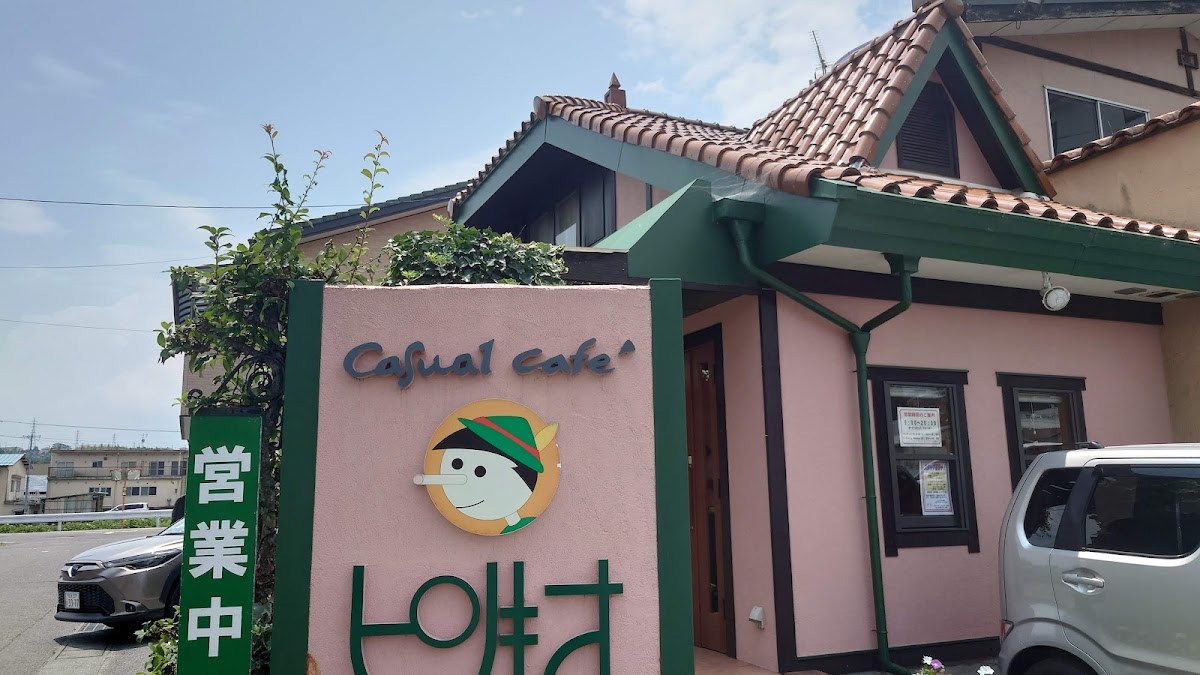
From the outside, the restaurant has that classic neighborhood charm: modest signage, cozy windows, and a steady stream of locals who clearly know they’re onto something good. Inside, the atmosphere is relaxed and welcoming. Wooden tables, soft lighting, and the comforting aroma of simmering sauces set the tone immediately. It’s the kind of place where you can come in solo, sit at the counter, and feel completely at ease.
The menu at Pinocchio Kanae leans toward yoshoku-style comfort food-Japanese takes on Western classics. Think hamburger steak with demi-glace sauce, creamy omurice, crispy tonkatsu, and pasta dishes that blend Italian inspiration with Japanese precision. During my visit, I ordered the signature hamburger steak set, which came with rice, miso soup, and a fresh salad. The patty was juicy and flavorful, clearly hand-formed that morning. The demi-glace had depth without being overpowering, suggesting slow simmering rather than shortcuts. According to the Ministry of Agriculture, Forestry and Fisheries in Japan, yoshoku cuisine developed during the Meiji era as Western dishes were adapted to suit Japanese tastes, and you can feel that history on every plate here.
One thing that stood out was the attention to process. When I asked about the sauce, the staff explained that it’s reduced over several hours to concentrate flavor naturally instead of relying on artificial thickeners. That commitment to traditional cooking methods reflects a broader culinary philosophy often emphasized by chefs trained in Japan’s rigorous food culture, where consistency and balance matter just as much as creativity. The rice, sourced locally from Nagano, had a subtle sweetness and perfect texture-proof that even the simplest components are treated with care.
Reviews from locals often highlight the portion sizes and value for money, and I can confirm that firsthand. The lunch set was generous without feeling excessive. In fact, data from Japan’s hospitality industry shows that diners increasingly prioritize quality and authenticity over trend-driven dining, and Pinocchio Kanae clearly aligns with that shift. It doesn’t chase fads; it focuses on dependable flavor and comfort.
Another visit, this time with friends, gave me the chance to try their omurice. The egg was silky and softly folded over ketchup-seasoned rice, and when sliced open, it revealed that perfect custardy center chefs aim for. Achieving that texture requires precise heat control-too hot, and the egg firms up instantly; too cool, and it won’t set. Watching the cook in action behind the counter felt like a small masterclass in timing and technique.
The location in Iida makes it a convenient stop for both residents and travelers exploring southern Nagano. While it may not have the flashy décor of big-city restaurants in Tokyo or Osaka, it offers something arguably more valuable: consistency. Over multiple visits, the flavors remained steady, the service attentive but never intrusive, and the dining room clean and orderly. Food safety and hygiene are clearly taken seriously, which is essential in maintaining trust in any restaurant setting.
Of course, like many local diners, English menus may be limited, so international visitors might need a translation app or a bit of adventurous spirit. Still, the staff’s patience and friendly attitude make the experience smooth even if there’s a language gap. That human touch-smiles, small gestures, careful plating-goes a long way.
If you’re exploring Nagano and craving a hearty meal that blends Japanese and Western influences, Pinocchio Kanae offers exactly that. It’s not just about what’s on the plate; it’s about the steady rhythm of a kitchen that knows its craft, the familiar clatter of dishes during lunch rush, and the quiet satisfaction of finishing a meal that feels thoughtfully prepared from start to finish.
Good to know
Service options
✓ Takeaway ✓ Dine-in ✓ DeliveryHighlights
✓ Great coffee ✓ Great dessert ✓ Great tea selectionPopular for
✓ Breakfast ✓ Lunch ✓ Solo diningOfferings
✓ Alcohol ✓ Beer ✓ Coffee ✓ Happy-hour food ✓ Quick biteDining options
✓ Breakfast ✓ Brunch ✓ Lunch ✓ Dinner ✓ Dessert ✓ Seating ✓ Table serviceAmenities
✓ ToiletAtmosphere
✓ Casual ✓ CosyCrowd
✓ GroupsPlanning
✓ Accepts reservationsChildren
✓ Good for kids ✓ High chairs ✓ Kids' menuParking
✓ Free parking lot ✓ ParkingPhotos
Location
Reviews
初詣で元善光寺に行き次の目的地の途中でランチタイムに伺いました。 家族でそれぞれパスタ、オムライス、カツカレー、ドリアを頼み両親はドリンクセットでホットコーヒーをつけました。 私はトマトソースの生ハムとナスのパスタをいただきました。少しピリッと辛味があったように思いましたが美味しかったです。 子どもが頼んだオムライスドリアをひと口もらって食べましたが味がしっかりついていて美味しかったです。 両親が食後のホットコーヒーが美味しかったようでおかわり1杯無料ということでおかわりしていました。 年末年始に開いている店を探してランチタイムにすんなり入れて美味しい食事ができてよかったです。 ただし現金決済のみなのでキャッシュレス派の方は注意してください。
2024/8 お盆時期の山の日に訪問。 飯田市に昔からある、ローカルのファミリーレストランですよね。 以前、モーニングで来たことがあります。 数ヶ月の子どももベビーカー入れて優しく応対してくれてよかった記憶があり再訪。 他の昼営業よお店のラストオーダーが終わっている13時半を回っていたように思いますが、通しでやっているのでありがたい。 この日は祝日なのでグランドメニューから頼みましたが、平日はランチもあるらしいですね。 1,500円くらいのハンバーグドリアのセットと、同じく明太子パスタのセットにしました。 サラダ、スープ、ドリンク、デザートがついています。 パスワード付きWi-Fiもあり、コーヒーも頼み方によっては1200〜2030までお変わり自由とのこと。 8〜10テーブルくらいと、カウンターがあります。地元民に愛されてるお店。 子どもも機嫌よく過ごしてくれましたし、また来たい。 最新のメニューアップもしておきますね。
とにかくメニューが豊富過ぎて迷います。店員どの方も気遣いも出来て丁寧でした。席の様子もちゃんと見ているのか飲み物をこぼしてしまった時にはおしぼりをすぐに持って来て下さいました。 昼時はかなり混むので少し時間をずらすといいかも。
妻に誘われランチに入店。人気店らしく女性客が続々入ってきて満席に。 私はエビフライカレー、妻はランチメニューのオムライスライスセットを注文。最初に野菜サラダとスープ、後からメインを味わいました。味は思ったとおり、好みの味に満足しました。妻のランチにはパフェまで付いて1000円位で懐にも優しい配慮。女性受けするわけです。更にコーヒーは、おかわり自由もあり、嬉しいサービスです。
友人に誘われて昼時間に入店しました。昔ながらの洋食屋さんの雰囲気と料理でした。 ハンバーグ定食を注文して美味しく頂きました。